
It is important to understand the underlying focus points of the Rural Health Transformation Program in order to successfully apply for funding. This section outlines key elements such as funding integrity, strategic partnerships, implementation strategies, and the growing role of mobile health in expanding access to care. It also highlights how transportation, transit, and community partners can align their work with statewide plans, support flexible “care anywhere” models, and strengthen coordination across sectors. Together, these resources guide you as you write your application and develop a strong, actionable implementation plan.
Rural health is moving toward “hub-and-spoke” models and “medical neighborhoods” which means transportation providers can no longer operate as standalone service vendors. Transit providers must move from being passive service offerers to active clinical partners. The strategies listed below show how transit agencies can become embedded partners in clinical care.
- Strategy: Integration into Clinical Workflows
- Action: Partner with local Health Information Exchanges (HIEs) to allow transit scheduling software to “talk” to medical appointment systems.
Example: In Iowa, the Heart of Iowa Regional Transit Agency (HIRTA) implemented interoperability between medical platforms and dispatch software, allowing doctors to book a patient’s ride at the same time they book the follow-up appointment.
- Strategy: The “Mobile Health Hub” Concept
- Action: Transition transit centers or large vehicles into “Care Access Points.”
Example: Using RHT funds, some agencies are equipping transit hubs with high-speed Wi-Fi and private “Telehealth Pods” for patients who lack internet access at home.
Strategy: Joint Workforce Development
Action: Cross-train drivers as Community Health Workers (CHWs) or Peer Support Specialists.
Example: A rural provider in Mississippi (DJ Transit) launched a campaign where drivers are trained to recognize basic health “red flags” and social needs, reporting back to a clinical care coordinator.
Once funding is secured, the next step is demonstrating that your agency can deliver reliable, high‑impact services aligned with RHTP goals. Implementation is where transportation providers prove their value as part of the rural health infrastructure. The approaches below help you stand up services quickly, integrate with healthcare partners, and show measurable outcomes that strengthen your position for future RHTP allocations.
I. Focus on “Micro-Mobility” and On-Demand Transit
Rural regions need flexible, responsive service models. Shifting from fixed routes to microtransit allows providers to reach more people with fewer resources while aligning directly with RHT’s focus on access to care.
- Implementation: Use RHT “Catalyst Funds” (states can use up to 10% of their RHT award for innovation) to purchase on-demand scheduling AI.
- Success Story: Giles Health and Family Center in Virginia successfully expanded NEMT (Non-Emergency Medical Transportation) by introducing an app-based on-demand service for employment and healthcare, reducing “no-show” rates by 30%.
II. Leverage “Treat-in-Place” and Mobile Integrated Health (MIH) Models
Rural communities need care that comes to the patient. Integrating transit with MIH and community paramedicine programs allows providers to deliver clinical services in the home while using transit agencies’ strengths in fleet management, routing, and logistics.
- Implementation: Partner with MIH or community paramedicine programs.
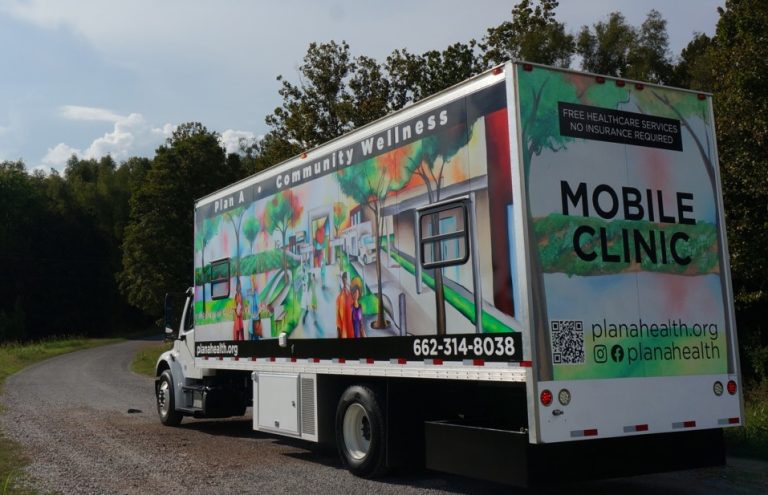
- Example: Instead of a van taking a patient to a clinic, the “transit” is a mobile clinic vehicle. Transit agencies provide the fleet management and logistics, while the health system provides the clinical staff.
III. Use Data as a Currency
RHTP funding is tied to measurable health outcomes. Tracking and reporting data that reflects access to care – not just trip volume – positions transportation providers as essential partners in improving rural health system performance.
- Implementation: Track and report “Social Return on Investment” (SROI).
- Example: Don’t just report “trips taken.” Report “Number of maternal health appointments attended” or “Reductions in ER visits for chronic heart failure patients.” This data is what unlocks RHT performance-based funding in years 2–5 of the program.
Ensuring Compliance, Sustainability, and Accountability in Rural Health Transportation
The success of projects implemented with Rural Health Transformation Program (RHTP) funds depends on rigorous fiscal oversight and the “braiding” of multiple funding streams. Integrity in funding ensures that every dollar directly supports the mission of improving healthcare access while meeting federal cost principles under 2 CFR 200.
- Essential CCAM-TAC Resources for Fiscal Integrity
CCAM-TAC provides the foundational framework for managing multi-agency funding without duplicating costs or violating federal “supplanting” rules.
- Federal Fund Braiding Guide: A critical resource for RHTP project leads, this guide explains how to legally combine (braid) funds from different federal programs (like HHS and DOT) to meet local match requirements and scale transportation services without risking audits.
- CCAM Program Inventory: This tool identifies over 130 federal programs that can support human services transportation. For RHTP recipients, this inventory is essential for identifying complementary funding sources to ensure long-term project sustainability after the initial grant period.
- CCAM-TAC Trip Cost-Allocation Tool: CCAM-TAC offers resources to help rural transit providers determine the true cost of a trip. Accurate cost allocation is the “gold standard” for funding integrity, preventing the overcharging of federal programs and ensuring RHTP funds are applied only to eligible activities.
- CCAM Help Desk: CCAM-TAC offers direct technical assistance to help grantees navigate complex federal requirements and clarify the “allowability” of specific transportation-related expenses.
- CCAM-TAC E-Learning Catalog: CCAM-TAC provides a suite of online courses for mobility management professionals to enhance their knowledge of coordinating human services transportation and navigating federal fund braiding.
- CTAA Resources for Operational Accountability
The Community Transportation Association of America (CTAA) provides the practical tools and training necessary to maintain high standards of integrity at the provider level.
- PASS (Passenger Assistance, Safety, and Sensitivity) Certification: This is the industry standard for training transit operators. It ensures that drivers of RHTP-funded vehicles possess the specialized skills to assist passengers with disabilities, older adults, and those with complex medical needs safely and respectfully.
- Certified Community Transit Manager (CCTM): This program provides project leaders with expertise in financial management, procurement ethics, and federal reporting. It is an essential credential for individuals managing large-scale RHTP awards to ensure full compliance with federal oversight.
- NEMT Resource Center: Since RHTP funds often target medical trips, CTAA’s NEMT hub provides policy updates and operational benchmarks to ensure that medical transportation is delivered efficiently and meets healthcare-specific compliance standards.
- Quick-Reference Checklist for RHTP Funding Integrity
To maintain compliance with the RHTP guidelines and 2 CFR 200, project leads should utilize the following checklist derived from CCAM-TAC and CTAA best practices:
- Non-Supplanting Verification: Ensure RHTP funds are used for new elements (new populations, services, or geographic areas) rather than replacing existing funding for established programs.
- Detailed Budget Narratives: Maintain itemized documentation that links every cost directly to an approved RHTP initiative.
- Salary Cap Compliance: Ensure all personnel costs align with the HHS Executive Level II Salary Cap and that clinician salaries are not funded for facilities with non-compete clauses.
- Administrative Caps: Monitor that administrative costs remain within the 10% cap (including subrecipient costs).
How to Use These Resources
For specific questions regarding the “braiding” of RHTP funds with other federal grants, visit CCAM-TAC.org. For operational training and cost-analysis tools tailored to rural transit providers, visit CTAA.org.
Rural Health Transformation and Mobile Health
At least 42 states included mobile health strategies in their Rural Health Transformation Program (RHTP) applications. While all 50 states applied for the federal funding, mobile health initiatives are specifically highlighted as a key tool for extending care, with 20 states incorporating Community Paramedicine/Mobile Integrated Health (CP/MIH) and 18 focusing on mobile medication-assisted treatment (MH/MOUD). The following information and tools can help you align your application with your state’s mobile health clinic strategy.
- Rural Health Transformation Investments Must Pair Mobile HealthInfrastructure With Sustainable Care Deliver
Mobile health must be paired with Rural Health Transformation investments for the program to succeed. Rural communities continue to face long travel distances, limited providers, and transportation barriers, and funding traditional facilities alone won’t close those gaps. The article argues that mobile clinics, flexible care delivery, and coordinated transportation are essential to bringing care directly to residents—ensuring that RHTP dollars actually improve access in the places where people live.
- Mobile Healthcare The 2025 Mobile Clinics Landscape Report –
Mobile clinics are a vital part of rural health transformation because they bring care directly to people who face long travel distances and limited provider access. The report shows that mobile units improve preventive, chronic, and behavioral health care in rural communities and are a cost‑effective way to expand access where traditional facilities fall short.
- Harvard Medical Mobile Health Map
Mobile Health Map shows that mobile clinics deliver essential preventive, chronic, and behavioral health services directly in communities that lack traditional access points. Their data demonstrates that mobile clinics improve outcomes and reduce costs, making them a strong fit for rural health transformation and RHTP implementation.
Additional Resources
- CTAA Rural Health Transformation Program Transportation Access Summary– This document summarizes the transportation‑related strategies states reported in their Rural Health Transformation Program applications, highlighting common themes such as NEMT expansion, ride coordination, public transit gaps, and mobility challenges.
- Federal Fund Braiding Guide – The guide explains when Federal funds from one program can legally be used to meet the local match requirement of another program, outlining statutory rules, agency determinations, and practical steps for grantees and Federal agencies to coordinate transportation funding.