
The CCAM-Technical Assistance Center recognizes the importance of coordination and rural health outcomes which is the cornerstone of the Rural Health Transformation Program (RHTP), a major federal initiative (authorized under Public Law 119‑21) directing $50 billion into rural health systems between 2026 and 2030. We gathered information and resources, with approval from CMS and FTA, to create this toolkit to support communities as they navigate this new program.
As healthcare shifts from hospital-centered care towards more flexible “care anywhere” models, transportation providers are no longer just “drivers,” they are a critical component of rural health infrastructure. Since the inception of the RHTP, CCAM-TAC has led the way in providing technical assistance to communities. For additional support or individual guidance, please visit our helpdesk.
How to Use the Toolkit
This toolkit is designed to help transportation, health, and community partners understand the Rural Health Transformation Program (RHTP) and identify where their services can support statewide health transformation efforts. Throughout the sections of the toolkit you will find background information, examples of how states are using RHTP funds and practical guidance for aligning your services with the priorities of your state and emerging rural health models.
One of the most important sections of the toolkit is the Interactive State Map and Strategy Resource Guide, where you can access state-specific information including award amounts, current strategies, open RFPs and contact information for your state’s RHTP lead. Because funding is moving rapidly and must be obtained on a tight timeline, the map helps you quickly see where opportunities exist and how you can engage.
Other sections of the toolkit provide information to deepen your understanding of the program, learn about implementation strategies, innovative solutions to rural health access and get a peek at the approaches some states have already applied.
Toolkit Sections
Interactive State Map & Strategy Resource Guide
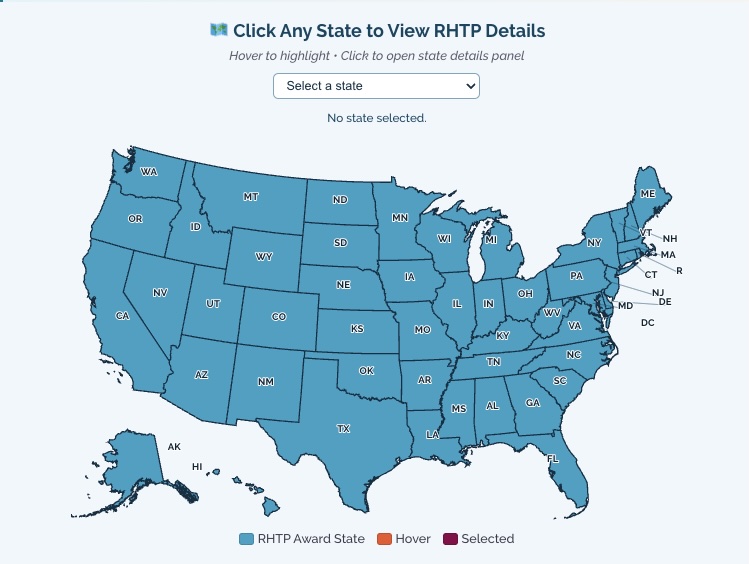
Explore how states across the country are using FY2026 Rural Health Transformation Program (RHTP) funds with this interactive map. Click any state to see its award amount, transformation strategy, links to the lead agency website and contact person. Click on View Full State Information to discover state-specific contact information and resources including open RFPs. It’s a quick way for transportation, health and community partners to understand where funding is moving and how states are approaching implementation.
Rural Health Transformation Program Implementation Guide
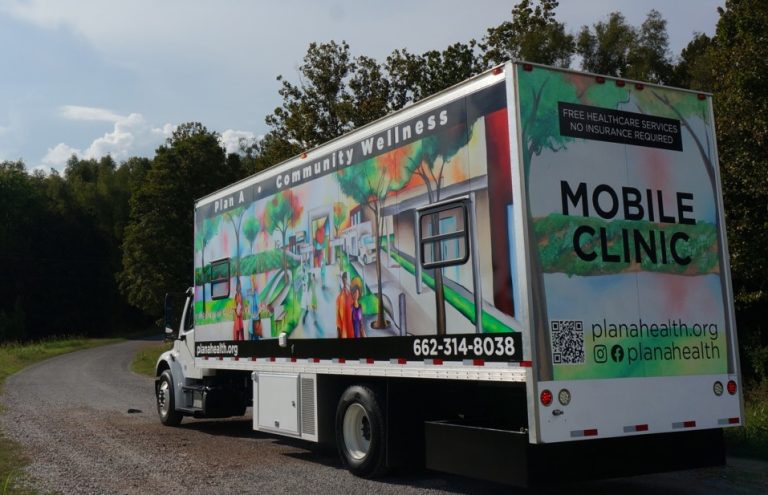
This page brings together key federal articles and summaries that explain the origins, goals, and national priorities of the Rural Health Transformation Program. These resources help transportation, transit, and community partners understand the federal direction of RHTP—including the shift toward flexible, community‑based and mobile health models—so they can align their applications and implementation strategies with statewide expectations.
Federal Rural Health Transformation Program Articles and Information
This page brings together key federal articles and summaries that explain the origins, goals, and national priorities of the Rural Health Transformation Program. These resources help transportation, transit, and community partners understand the federal direction of RHTP—including the shift toward flexible, community‑based and mobile health models—so they can align their applications and implementation strategies with statewide expectations.
Other Resources
- Federal Fund Braiding Guide – The guide explains when Federal funds from one program can legally be used to meet the local match requirement of another program, outlining statutory rules, agency determinations, and practical steps for grantees and Federal agencies to coordinate transportation funding.
- PolicyMap – This useful tool provides access to demographic and transportation‑related data that can help agencies identify service needs and support funding applications, including the ability to view FTA‑funded service areas through the integrated Community Transportation Provider Map. There are a limited number of licenses to use PolicyMap. You must complete an Interest Survey to gain access.
- CTAA Rural Health Transformation Program Transportation Access Summary– This document summarizes the transportation‑related strategies states reported in their Rural Health Transformation Program applications, highlighting common themes such as NEMT expansion, ride coordination, public transit gaps, and mobility challenges.